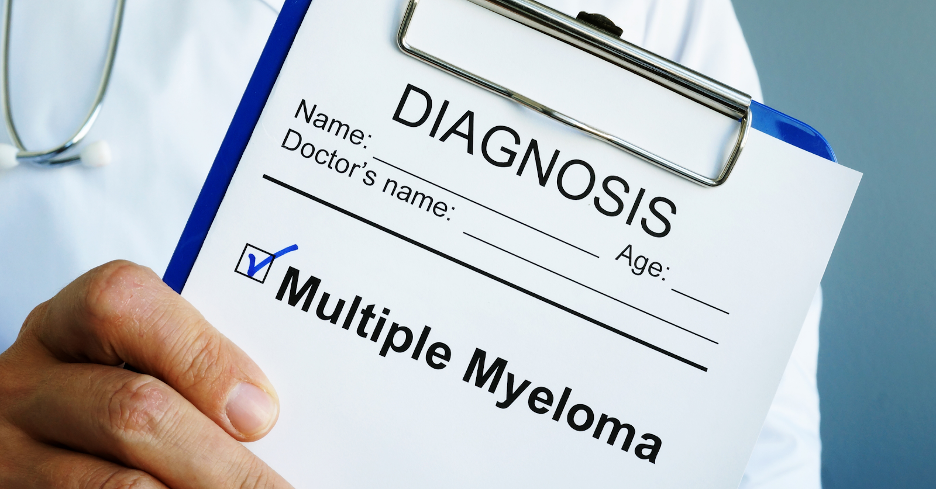
coronavirus pandemic arrived, health and patient support organizations made resolute efforts to examine and address health inequities for multiple myeloma patients in Black, Indigenous, and People of Color (BIPOC) communities. Diverse Health Hub and the Patient Empowerment Network partnered to help improve health outcomes for underserved myeloma patients through the Diverse Partners in Your Myeloma Care program. With a tumultuous year filled with the killing of George Floyd, social unrest, and coronavirus health disparities for BIPOC groups, these issues prompted us to focus on where things stand with multiple myeloma health disparities. We’ll take a look at what we know, what we’ve learned, and what help and resources are needed to continue advancing care for BIPOC myeloma patients.
Disparity Facts About BIPOC Myeloma Patients
-
Although multiple myeloma is diagnosed at a younger age in both Black Americans and Latina and Latino Americans, both groups are less likely to receive a transplant and start treatment later than patients of other races.
-
Learnings About BIPOC Myeloma Patients
Emory University School of Medicine, “What’s really interesting in this meeting is that there has been a lot of large database integrations, including one database called the National Cancer Database (NCBD) where people have looked at 20-year history of how these treatments have panned out. Which of the minority populations or which subset of patients gained the most benefit over the last 20 years? And we see minorities have gotten a lot of improvement and a lot of access to care over the last 20 years, but that’s not the end of the story, we have to catch up a lot more.”
The Path to Health Equity
Some valuable steps that patients, community leaders, and healthcare providers can take to improve care include:
-
Patients and advocates making the BIPOC voice heard by asking for funds from community and political leaders to improve care
-
Patients taking advantage of social workers and patient navigators at their clinics and support organizations
-
clinical trial participation
-
Multiple Myeloma Hub as we publish more on health equity developments for multiple myeloma.
Resources to Learn About Improving Myeloma Health Disparities
Disparities Around Health Technology Access for Subset of Myeloma Patients
Good News for Myeloma Treatment Today – Still Addressing Race-Associated Risks
2020 Shaping Up to Be a Big Year for Multiple Myeloma Treatment
How Can a Myeloma Patient Advocate/Financial Advisor Help
Is It Possible to Achieve Health Equity in Multiple Myeloma?
Are Myeloma Clinical Trials More Critical for African Americans?
A Multiple Myeloma Advocate’s Uphill Battle to Care
What Do Disparities in Multiple Myeloma Look Like?
How a Second Opinion Saved a Myeloma Patient’s Life
Myths vs. Facts: Myeloma Health Disparities Care Infographic
How Can I Get the Best Multiple Myeloma Care No Matter Where I Live? Resource Guide
Diversity in Clinical Trials Benefits Everyone
Sources
https://powerfulpatients.org/2020/08/17/how-can-a-myeloma-patient-advocate-financial-advisor-help/ Accessed October 19, 2020.