
After months of unexplained infections, exhaustion, and subtle warning signs, Jeanine was diagnosed with acute myeloid leukemia (AML). In this deeply personal story, she shares how learning to trust her body, ask questions, and build a support system helped her regain a sense of control during treatment. From navigating overwhelming updates to finding credible information through Patient Empowerment Network, Jeanine’s experience reminds patients and care partners that they are not alone and that speaking up can make all the difference.
This program encourages individuals facing AML to listen to their bodies, lean on trusted support, and stay ACTIVATED in their care.
Related Resources


Transcript
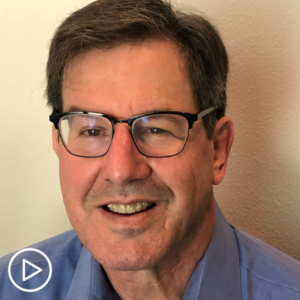
My name is Jeanine. My life changed when I was diagnosed with acute myeloid leukemia (AML). I felt completely lost, and I’m sharing my story in case it helps someone else feel less alone.
For months, I kept getting strange infections that antibiotics wouldn’t touch. I was exhausted all the time, but I kept telling myself I was just working too hard. As a teacher, I even joked with my colleagues that my immune system was “shot.” Turns out, it really was, I just didn’t know it.
Everything shifted the day I suddenly couldn’t remember things clearly. Even my 4th graders noticed something was off. I went to the emergency room, and after testing, they moved me into a side room. That’s when I knew something was seriously wrong. When the doctor told me I had AML, it felt like I was watching someone else’s life.
At first, I tried to be the “perfect patient,” smiling and pretending I was okay. One day, when my aunt visited, I finally broke down. She looked at me and said, “Thank God, you’re human.” I didn’t realize how much I needed permission to not be strong every minute.
Slowly, I learned to take control where I could. The constant calls and texts from people wanting updates were overwhelming, so I asked my sister to be the family spokesperson. It was such a relief. I also started writing down questions for my doctors instead of just nodding along. And instead of Googling worst-case scenarios, I looked for real success stories. Finding the Patient Empowerment Network gave me information I could actually understand.
The biggest lesson I’ve learned? Trust your body and speak up. When I was home between treatments, even when I felt awful, I’d tell myself, “You’re fine,” because I didn’t want to go back to the hospital. Now I know that if something feels wrong, say something. Your medical team needs to know everything.
Connecting with other AML patients helped too. We understood the mix of hope, fear, and uncertainty and that it was all normal.
An AML diagnosis is terrifying. But you have more power in this journey than you think. Ask questions. Lean on your support team. Listen to your body. And don’t be afraid to speak up for yourself. Stay ACTIVATED in your AML care.